
Head Office and Cluster Reports
New Territories East Cluster (NTEC)
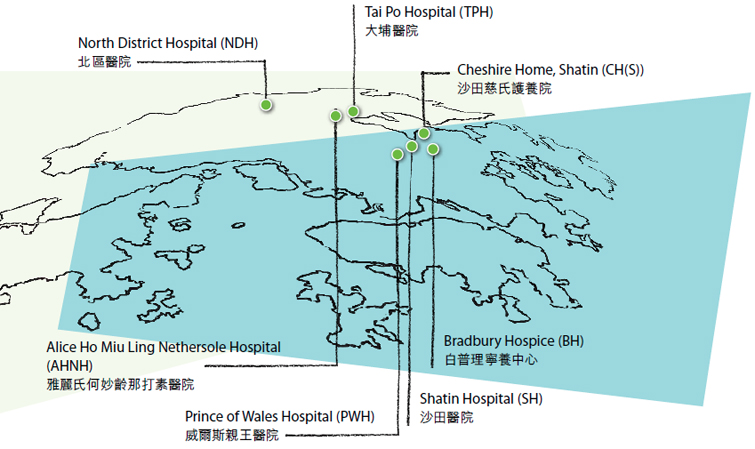
Number of general outpatient clinics11
Throughput
number of beds4,515
Patient discharges* 257,812
A&E attendances409,584
Specialist outpatient attendances (clinical) 1,065,505
General outpatient attendances910,199
Full-time equivalent staff+ 10,096.32
* Total inpatient, day patient discharges and deaths
+ full-time equivalent
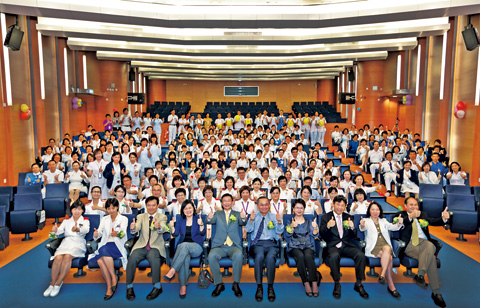 New Territories East Cluster : Photo 1
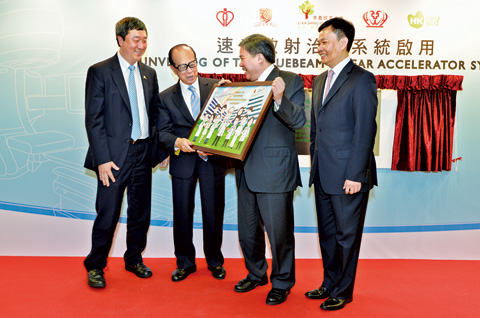 New Territories East Cluster : Photo 2
To cope with growing demand, NTEC enhanced service capacity in various ways. The Neonatal Intensive Care Unit (NICU) was expanded by adding one NICU bed in PWH. Additional operating theatre sessions were added at PWH to shorten the waiting time for elective operations for target disease groups, such as head and neck cancer surgery, brain tumor surgery, cardiac surgery and eye surgery. Services for chronic renal patients were expanded with additional hospital and home haemodialysis as well as ambulatory peritoneal dialysis quotas. Primary care services were enhanced by delivering additional 13,380 GOPC attendances.
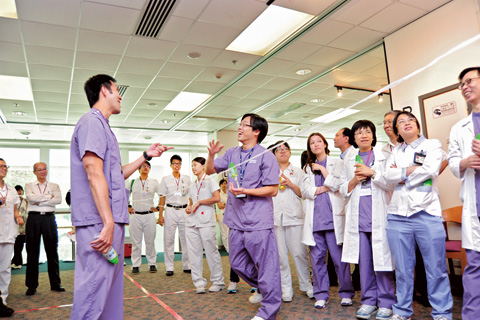 New Territories East Cluster : Photo 3
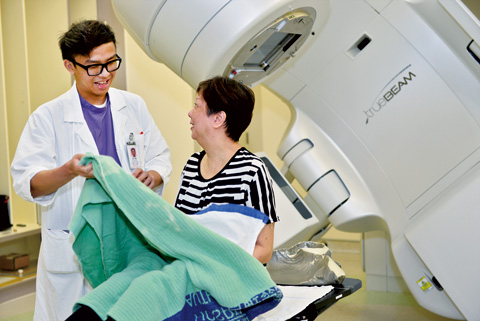
A stable workforce was maintained by NTEC through the year. A total of 50 phlebotomists and technical assistants were recruited to relieve doctors and nurses from routine technical tasks for patients. A total of 18 allied health professionals, 40 nurses and 51 clerical staff were recruited to strengthen the workforce. Promotional opportunities for frontline doctors, nurses and allied health professional were enhanced by adding 50 promotional positions.
 New Territories East Cluster : Photo 4
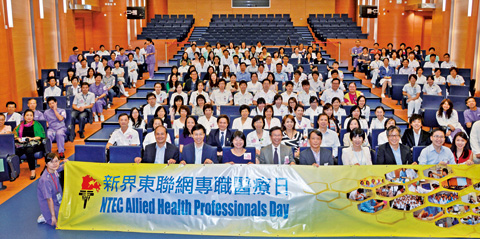
To strengthen patient safety and service quality, gap analysis for accreditation was successfully conducted in PWH and NDH in November 2012 to prepare the hospitals in meeting international standards. Our preparation work was well supported by the Cluster framework with involvement of all departments. The system implemented contributed a lot in synchronising resource input, wisdom and experience during the process, which is greatly attributed to solid governance and active staff engagement. The ‘Excellent Staff Engagement Award’ bestowed by Hong Kong Institute of Human Resource Management in September 2012 was great encouragement to staff, signifying a milestone in the Cluster.
 New Territories East Cluster : Photo 5
Collaboration programme with non-government organisations for 2,000 additional patients with chronic diseases was carried out to enhance patients’ self-management skills and strengthen partnership with the community.
 New Territories East Cluster : Photo 6
Technology modernisation was continuously implemented to facilitate delivery of quality patient care. The Enterprise Resource Planning system was rolled out at the pharmacy to modernise pharmaceutical supply chain and ensure there is adequate resource to meet service needs.
The psychiatric admission wards in TPH were modernised to provide acute psychiatric patients with multi-disciplinary therapeutic care and also to reduce congestion and overcrowdedness in these wards.
