
 Head Office and Cluster Reports
 Head Office and Cluster Reports: Photo 1
 The HA Head Office (HAHO) aligns corporate values and directions. It plays a strategic role in leading corporate development and supporting hospital clusters through interactive collaboration of six divisions, namely Cluster Services, Corporate Services, Finance & Information Technology Services, Human Resources, Quality & Safety, and Strategy & Planning.
The HAHO initiated some 120 corporate targets in 2012-13 under five strategic intents outlined in the HA Annual Plan.
Strategic intent: Allay staff shortage and high turnover To maintain a sustainable and quality workforce, enhancement measures were implemented to address staff shortage and high turnover, namely:
• increase manpower supply and relieve workload of clinical staff
• improve terms and conditions of frontline staff
• enhance promotion opportunities and career development
• strengthen professional and managerial competence
 Head Office and Cluster Reports: Photo 2
 A total of 13 non-local doctors, 275 resident trainees, 1,950 nurses and 558 allied health professionals were recruited in the year. Supply of 280 phlebotomists/technical assistants and 315 clerical staff alleviated heavy workload at the frontline. 292 resignees and retirees were recruited to rejoin HA as part-time doctors. Non-local doctors under limited registration remained a supplementary short term measure in strengthening clinical manpower.
 Head Office and Cluster Reports: Photo 3
 Structured succession programmes were developed to ensure sustainable leadership for HA, with 85 candidates participated. 74 doctors were promoted to associate consultant positions.
 Head Office and Cluster Reports: Photo 4
 Training and development initiatives were implemented both locally and overseas to enhance clinical and management competence. 300 students enrolled in the Higher Diploma in Nursing Programme while 100 were trained as enrolled nurses. 26 specialty courses and 253 competence enhancement programmes were organised for nurses. Due to inadequate local supply of podiatrists and diagnostic radiographers, 12 overseas scholarships in these disciplines were offered. Five advanced specialty programmes and 66 enhancement courses were designed for allied health and pharmacy professionals to meet service needs and enhance professional competence.
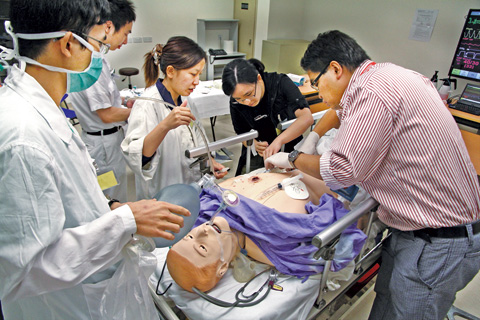
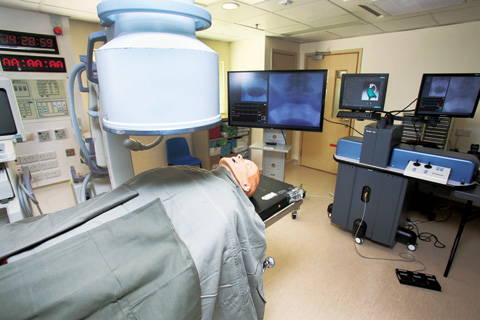
Competency of doctors improved with simulation training focusing on both human quality and technical skill. Around 1,000 newly graduated nurses received training and support at the HA simulation laboratory at Princess Margaret Hospital.
Efforts in people development were recognised by the Manpower Developer Award of the Employee Retraining Board. A full spectrum of training programmes covering vocational skills, presentation skills, teamwork, leadership and project planning benefitted 2,600 frontline managers and 4,540 supporting staff. 120 healthcare workers completed formal mediation training and 1,750 frontline staff were trained on complaint management and conflict resolution to improve patient relations.
 Head Office and Cluster Reports: Photo 5
  Head Office and Cluster Reports: Photo 6
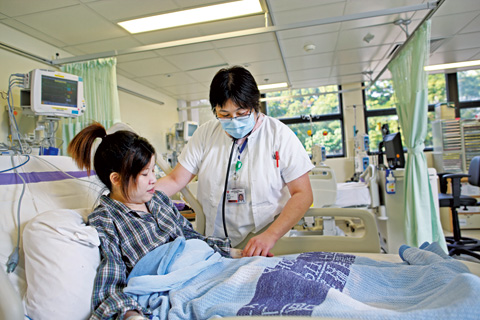
 Measures were implemented to meet growing service demand of various disease groups and patient groups. To improve the health outcomes for patients with end stage renal disease, 28, 50 and 45 quotas were added for hospital haemodialysis (HD), home HD and automated peritoneal dialysis respectively. 114 public patients in HA were offered HD treatment under the Public-Private Partnership programme.
Community care for psychiatric patients was strengthened through extending the case management programme to four more districts to provide intensive and personalised support for around 1,900 more patients with severe mental illness. The programme covered a total of 12 districts and supported 11,500 patients.
 Head Office and Cluster Reports: Photo 7
 Radiology service was improved with around 39,800 additional patient attendances of Computed Tomography (CT) and Magnetic Resonance Imaging (MRI) scans. The pilot project of purchasing radiological investigation services from the private sector improved CT and MRI services for patients of specific cancer groups, registering a total of 3,601 examinations. The service network between Queen Elizabeth Hospital and Pamela Youde Nethersole Eastern Hospital has been in place since 1 April 2012 to provide Positron Emission Tomography-Computed Tomography (PET-CT) service in HA.
The waiting list of elderly care – Central Infirmary Waiting List – was better managed. We also improved the accessibility to general outpatient clinics by adding quota for episodic care, simplifying the telephone booking system, and expanding the drug formulary.
To facilitate demand management, HA has completed service workload projections of each specialty, covering different areas of service ranging from inpatient, outpatient, emergency to community services as well as all clinical supporting, pharmacy and allied health services. Manpower projections for doctors, nurses and allied health professionals were also completed. These data formed a common basis for medium-to-long term planning of service and manpower.
The 17th Chinese medicine centre for training and research (CMCTR) set up under the tripartite collaboration model commenced operation at Queen Elizabeth Hospital on 1 December 2012. Commissioning work of the last CMCTR has started at the general outpatient clinic in Tung Chung Health Centre of Islands district.
 Head Office and Cluster Reports: Photo 8
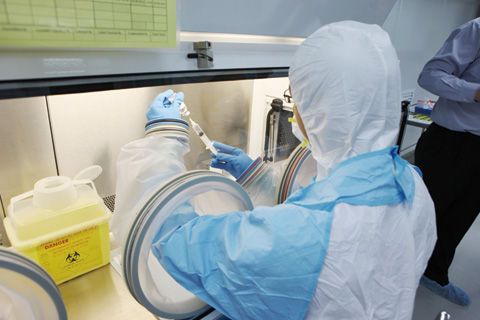
 Haematology service was enhanced with day transfusion services for adult thalassemia patients in all clusters. Disaster psychosocial services were improved with enhanced governance, better training and revamped contingency plan. Guidelines of infectious diseases and infection control plans of major outbreaks were diligently reviewed and revised.
 Head Office and Cluster Reports: Photo 9
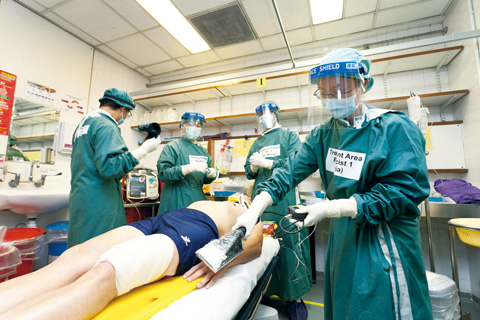
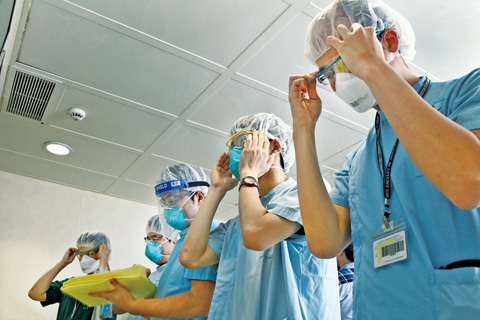
 Risk management and contingency planning was strengthened through enhanced central committee and Rapid Communication System. Personal protective equipment, powered air purification respirators and radiation monitoring equipment were purchased to enhance protection against hazardous material incidents. Tracking system for surgical instruments was implemented in three hospitals and radio-frequency identification system was applied to four hospital mortuaries to safeguard accurate body identification.
 Head Office and Cluster Reports: Photo 10
 HA continued with Phase 2 accreditation scheme with five hospitals passed periodic reviews and seven hospitals completed gap analysis. Our Lady of Maryknoll Hospital was the first hospital that completed Organisation Wide Survey in Phase 2 and was recommended for full accreditation status. Training and development of local surveyors progressed well with a total of 58 surveyors appointed as at end of 2012-13.
HA Drug Formulary was expanded to cover more drugs with accumulated scientific evidence on clinical efficacy. Three new drugs were introduced as special drugs for treatment of bladder, colon and pancreatic cancer and multiple sclerosis. The clinical applications of nine therapeutic groups of drugs were expanded for treatment of blood disorders, cancer, cardiovascular, central nervous system, endocrinal, gastrointestinal, immune system and renal diseases as well as for anaesthesia and sedation.
 Head Office and Cluster Reports: Photo 11
 New models of nursing care were introduced to improve patient service, including community nursing centre, virtual ward and enhanced community nursing services for high risk elderly. 14 general outpatient clinics were renovated to improve environment, patient flow and barrier free access.
With continual support from the government, 12 engineering equipment projects were completed and 606 medical equipment items were purchased. 194 pieces of medical equipment were replenished.
Strategic intent: Enhance partnership with patients and community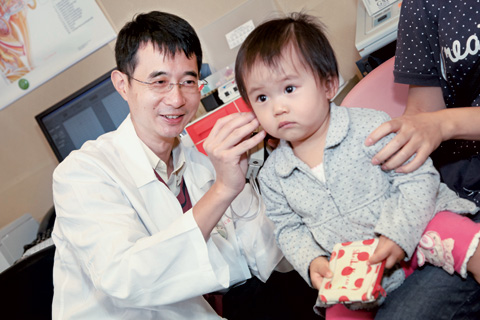 Head Office and Cluster Reports: Photo 12
Phase 2 of ‘Patient Partnership in Action’ programme organised with the Alliance for Patients’ Mutual Help Organizations trained 24 patient leaders in 2012-13. Patient groups’ suggestions were incorporated in HA’s annual planning process. Patient empowerment programmes launched jointly with non-government organisations continued to provide chronic disease patients with disease-specific education and self-care skills, benefitting 17,000 patients. The Smart Patient Website was enhanced with information for elderly patients with chronic diseases. A new mobile application was developed to facilitate search on patient groups.
 Head Office and Cluster Reports: Photo 13
 A 5-year plan of the Patient Satisfaction Survey was formulated to gauge feedback, covering hospital and specialty-based survey as well as follow-up mechanism. An independent agency was also commissioned to conduct patient engagement study to better understand the views of doctors, nurses and patients, and also to analyse the enablers and barriers of patient engagement.
 Head Office and Cluster Reports: Photo 14
 HA adopts a proactive approach to maintain rapport with the media and the community and update them on the latest development in policies and services. Besides 450 media activities organised during the year, 350 press releases were issued, 1,900 media enquiries and 220 community requests were handled. A commemorative volume on HA’s 20th anniversary featuring stories written by frontline staff of various disciplines was published. Large scale event ‘Together We Care’ paid tribute to volunteers and recorded positive response from over 2,700 participants.
Strategic intent: Ensure adequate resources to meet service needs With the government’s unwavering support for healthcare, the subvention to HA reached HK$42 billion in 2012-13. HA continued to stay vigilant in optimising resource utilisation and deliver quality patient care and value-for-money services. Through pragmatic financial management and performance monitoring, a surplus position was recorded.
 Head Office and Cluster Reports: Photo 15
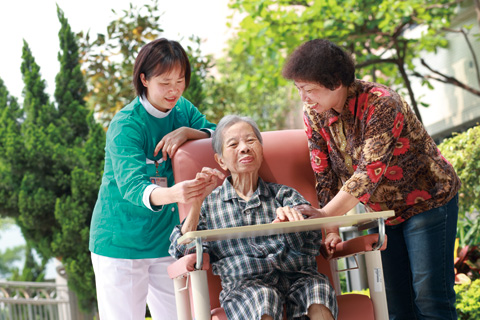
 The government injected HK$10 billion into Samaritan Fund (SF) to benefit more patients in need. To assist needy patients eligible for drug subsidy, the financial assessment criteria of SF drug applications were relaxed with introduction of a deductible allowance from the patient’s household disposable capital in September 2012.
 Head Office and Cluster Reports: Photo 16
 HA continued to deploy resources towards strategic areas of need in accordance with the organisation’s prevailing resource allocation framework, and implemented necessary measures to address workforce situation. Casemix information continued to play a role in the resource allocation process with broadened use on operation management and clinical outcome review during the year. To further enhance efficiency in resource utilisation to meet challenges of ageing population and rising service demand, the internal resource allocation system will be modernised in order to better reflect resource needs from a total patient journey perspective.
 Head Office and Cluster Reports: Photo 17
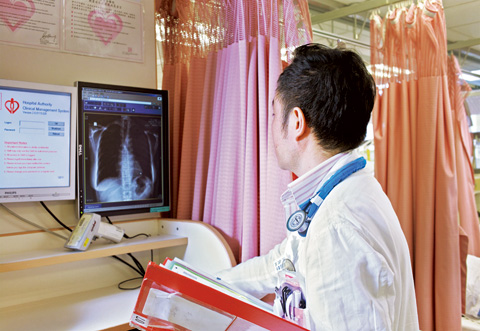
 Technology facilitates the delivery of modern healthcare services. With digital imaging extended to 16 hospitals since 2009, less traditional films were used and electronic medical records were improved. The new In-patient Medication Order Entry system piloted in Princess Margaret Hospital enhanced clinical workflow efficiency and reduced potential medication prescription errors. Enterprise Resource Planning system implemented in most hospitals minimised the risk of procurement and inventory control of pharmaceutical products, and improved monitoring of product quality and suppliers’ performance. Patient billing system was also revamped to provide flexibility of payment and improved timeliness and accuracy of billing of itemised charges.
Computer security controls, regular monitoring of access to patient data, and privacy compliance checks were enhanced in hospitals and clinics to uphold patient privacy. Corporate-wide continuous efforts ensured staff were educated and trained to protect patient privacy.
 Head Office and Cluster Reports: Photo 18
Besides, HA also provided technical agency service to the Hong Kong government in developing the eHealth Record programme, Elderly Healthcare Voucher Scheme, vaccination subsidy schemes, Primary Care Directory System and Communicable Disease Information System.
 Head Office and Cluster Reports: Photo 19
  Head Office and Cluster Reports: Photo 20
  Head Office and Cluster Reports: Photo 21
 Besides good operation and housekeeping measures, equipment with high energy efficiency, retrofitting works and renewable energy applications were used in lighting, air-conditioning, steam and hot water systems in HA premises to conserve energy. For example, high efficiency chillers, light emitting diode, T5 fluorescent tubes and compact fluorescent lamps were used to gradually replace aged chillers and energy-inefficient incandescent light bulbs. Energy conservation design practices were also adopted in new hospital construction projects.
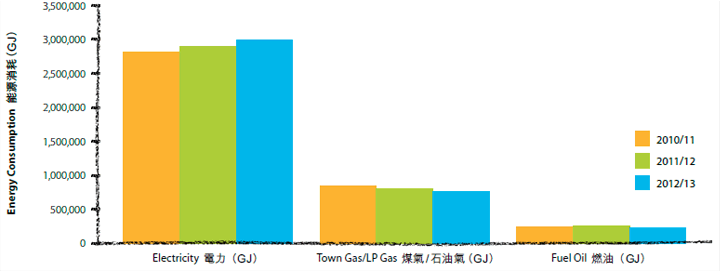
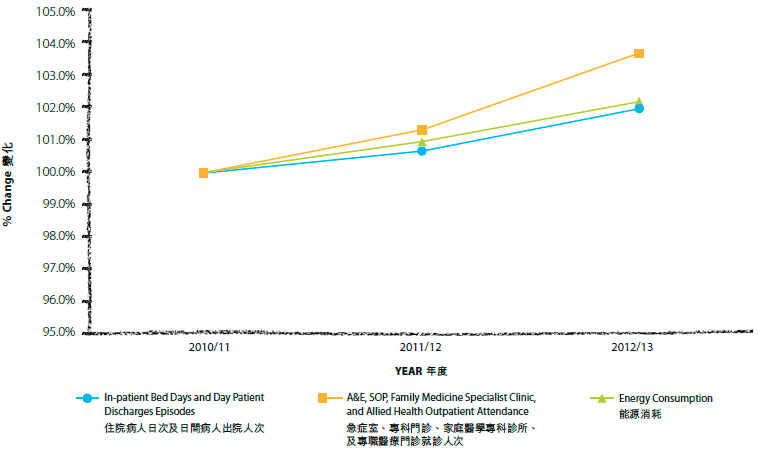
Energy conservation initiatives helped HA reduce carbon emission and offset the rising trend of energy consumption due to increasing hospital activities. In 2012-13, 35 public hospitals and institutions met the carbon emission reduction standard of the Hong Kong Awards for Environmental Excellence scheme and were awarded the Carbon’Less’ Certificates.
 總辦事處及醫院聯網工作匯報 : 圖片二十一
  總辦事處及醫院聯網工作匯報 : 圖片二十一
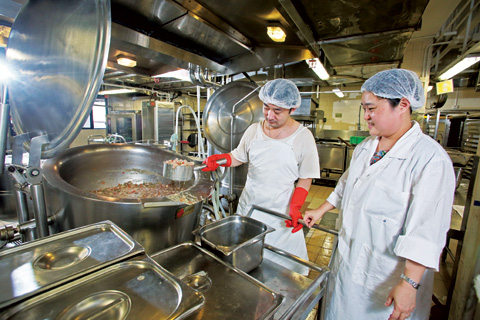
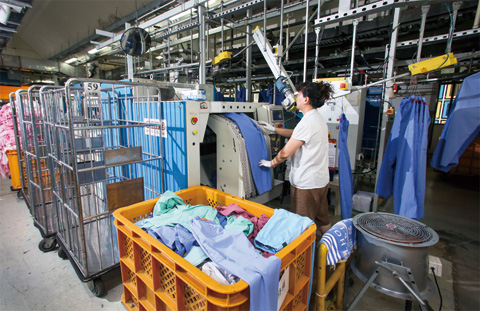
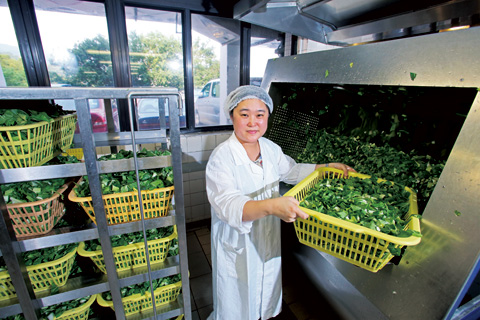
 Pollution control through waste reduction and recycling programmes protects the environment. A total of 2,600 tonnes of recyclables including waste paper, plastic, metals, glass bottles and used clothes were collected from HA hospitals through various recycling programmes. Food waste reduction programmes, use of environmental friendly food waste decomposers, and adoption of low carbon menu continued in hospitals. 18 hospitals achieved the ‘Certificate of Appreciation for Used Clothes Recycling Program’ 2012 from Friends of the Earth. As of 31 December 2012, 28 hospitals and institutions and HAHO were awarded the ‘Class of Excellence’ ‘Wastewi$e’ Label by the Hong Kong Awards for Environmental Excellence.
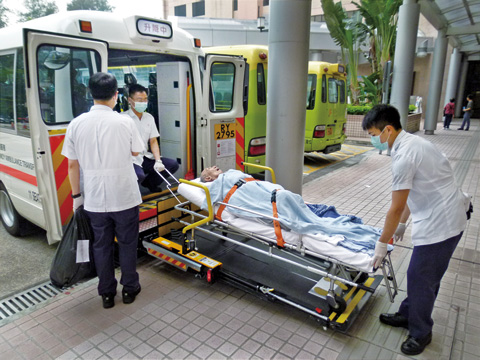
Environmental friendly LPG vehicles were continuously introduced with replacement of eight Non-Emergency Ambulance Transfer Service (NEATS) vehicles and 20 more added in 2012-13. HAHO won the champion of ‘Most Significant Fuel Efficiency Improvement’ and nine hospitals achieved gold award on ‘Fuel Efficiency Percentage Improvement’ and ‘Fuel Saving Percentage Improvement’ in the Corporate Green Driving Award Scheme 2012 in Take a ‘Brake’ Low Carbon Action for commendable fuel efficiency performance.
