
Head Office and Cluster Reports
Hong Kong East Cluster (HKEC)
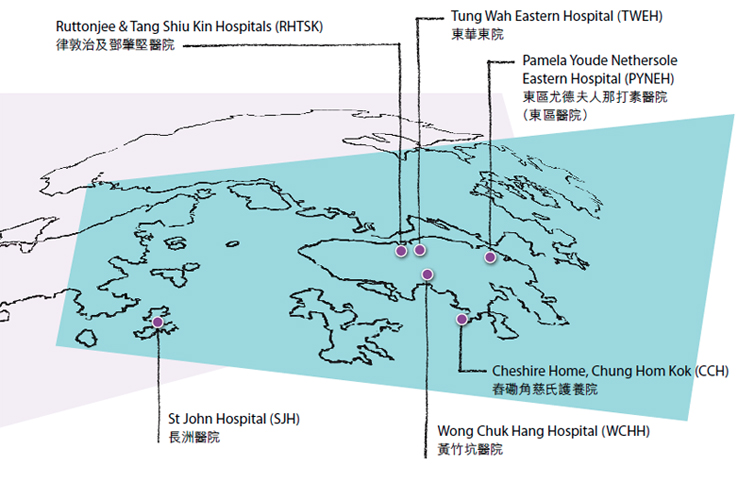
Throughput
number of beds3,031
Patient discharges* 174,560
A&E attendances248,930
Specialist outpatient attendances (clinical) 775,781
General outpatient attendances578,161
Full-time equivalent staff+7,225.77
* Total inpatient, day patient discharges and deaths
+ full-time equivalent
 Hong Kong East Cluster : Photo 1
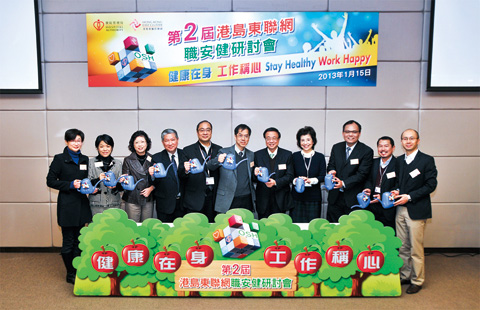
 HKEC appreciates staff’s dedication amidst manpower strain. To improve retention, HKEC further strengthened human resource measures through staff engagement programmes, training and promotion opportunities such as new nursing and allied health supervisory posts. The Cluster Occupational Safety & Health (OSH) Team won HA Outstanding Team Award 2012, demonstrating the commitment of management and staff on the promotion of safety culture at workplace. The second OSH Forum held in January 2013 reinforced the momentum under the theme "Stay Healthy, Work Happy".
 Hong Kong East Cluster : Photo 2
  Hong Kong East Cluster : Photo 3
 HKEC keeps strengthening its services in pressure areas. In PYNEH, automated peritoneal dialysis was offered to additional renal patients, an adult transfusion centre commenced to serve thalassemia and haemophilia patients in August 2012 from Mondays to Saturdays. Two additional neonatal intensive care beds were opened in December 2012. Service hours of acute stroke care nurse was extended and intravenous thrombolytic treatment was enhanced in PYNEH. Service delivery model for Positron Emission Tomography - Computed Tomography (PET-CT) was explored to reinforce service capacity. To enhance management of patients with neuro-musculoskeletal disorder, hydrotherapy sessions with concessionary rate was provided for listed patient groups and nongovernment organisations. In face of a low bed-to-age ratio, the Orthopaedics and Traumatology day ward in PYNEH was relocated to expand the day and ambulatory services. The Cluster also enhanced pharmacy services with additional dispensing staff in specialist outpatient clinics and extended service hours in Ruttonjee Hospital (RH).
HKEC implemented various initiatives to sustain a robust quality and safety system. Project to upgrade aseptic dispensing facilities was launched to improve drug safety, modern sterilisation methods for rigid endoscopes, surgical implants and surgical instruments were implemented, and less high risk drugs were used in wards of RH. TWEH enhanced supervision to sustain effectiveness of the pilot cardiac programme and reduced readmission. Besides renovating PYNEH A&E Department to enhance patient privacy, the hospital also upgraded personal protective equipment and radiation monitoring equipment to support the Daya Bay contingency plan.
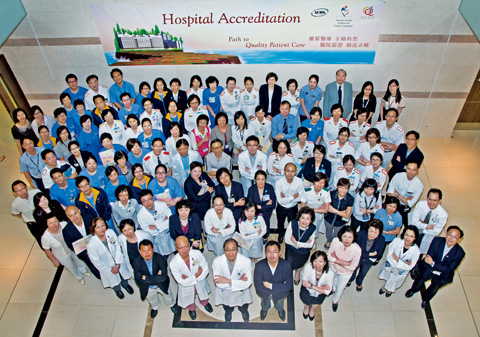
Periodic review for hospital accreditation of PYNEH was successfully held in June 2012. The Nethersole Clinical Simulation Training Center was set up at PYNEH in December 2012 to improve clinicians’ competence and team communication in order to enhance patient safety through simulation-based training. The Cluster ended the financial year 2012-13 with a Quality and Safety month in March 2013, with a total of 19 programmes, seminars, forums and drills conducted.
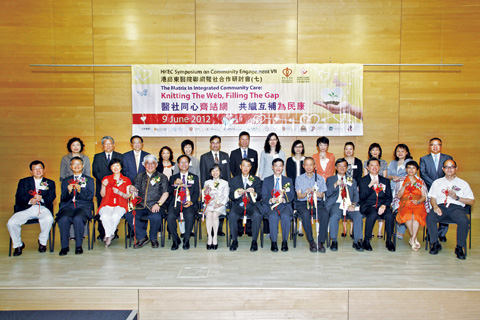
The patient empowerment programme delivered in collaboration with non-government organisations benefited and engaged over 6,000 patients with chronic diseases, carers and community partners.
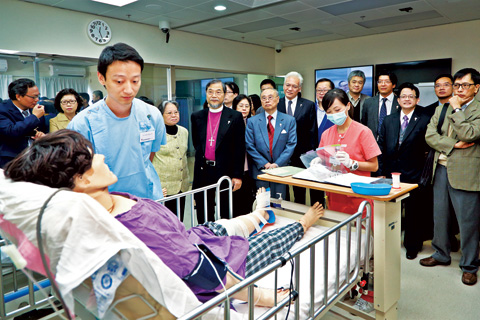 Hong Kong East Cluster : Photo一
 HKEC practised strategic demand management with prudent expansion of capacity in a strong patient safety culture to maintain financial sustainability. Resources were deployed to key enablers of corporate priority, namely the roll-out of Enterprise Resource Planning System to modernise pharmacy supply chain, enhancement of non-emergency ambulance transfer service, renovation and enhancement of service of psychiatric admission wards, and strengthened hospital security service.
