
Head Office and Cluster Reports
Kowloon West Cluster (KWC)
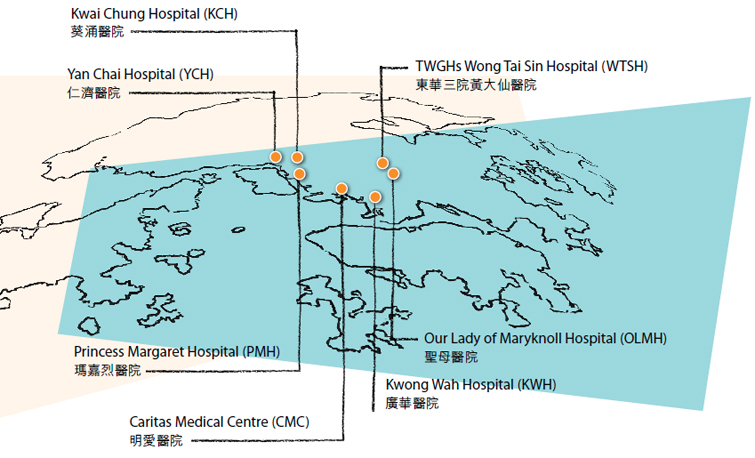
Throughput
number of beds 6,587
Patient discharges* 362,712
A&E attendances580,126
Specialist outpatient attendances (clinical) 1,611,830
General outpatient attendances1,582,195
Full-time equivalent staff+ 14,075.91
* Total inpatient, day patient discharges and deaths
+ full-time equivalent
 Kowloon West Cluster : Photo 1
KWC expanded service capacity by setting up an Ear, Nose and Throat Centre in YCH, opening five new neonatal intensive care beds in KWH, and offering additional quota for home haemodialysis and automated peritoneal dialysis in various hospitals in the Cluster.
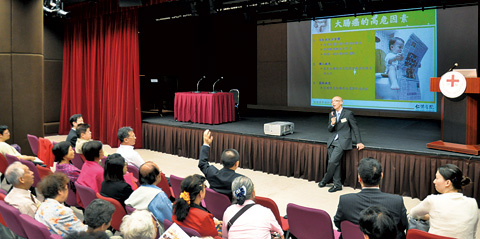
The Cluster also strengthened secondary prevention of chronic diseases at general outpatient clinics through joint efforts of multidisciplinary healthcare teams. In collaboration with non-government organisations, KWC recruited an additional 2,000 chronic disease patients to participate in various patient empowerment programmes.
 Kowloon West Cluster : Photo 2
With Phase 1 construction work of the new North Lantau Hospital in Tung Chung district completed in end 2012, every endeavour was made to support the commissioning of the eighth hospital in the Cluster, which will commence service by phases from September 2013.
Personal protective equipment and radiation monitoring equipment in the A&E departments of KWC were replaced and upgraded to meet requirements in the Daya Bay contingency plan. The sterilisation methods in KWC operating theatres were also upgraded to align with international standards. The radio frequency identification system was implemented at the mortuary of KWH and Lai King Building of PMH in February 2013 and March 2013 respectively for accurate body identification. The Inpatient Medication Order Entry system was piloted at designated wards of PMH to enhance medication safety.
 Kowloon West Cluster : Photo 3
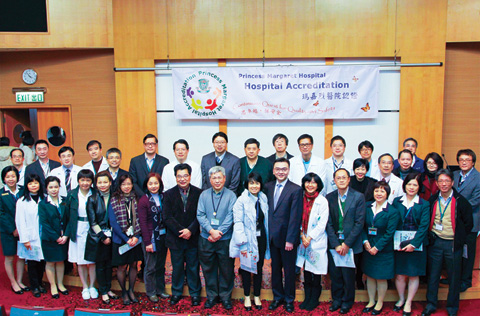
KWC has made ongoing efforts in undertaking hospital accreditation programmes to meet requirements of Australian Council of Healthcare Standards. OLMH completed gap analysis in June 2012 while CMC completed periodic review in August 2012.
To sustain a quality workforce with high morale, the Cluster continued to increase the supply of healthcare professionals, improve grade development and career progression, enhance training and development, and improve working conditions. These enhancement measures covered various disciplines, including doctors, nurses, allied health professionals and administrative staff.
100 additional nurses were trained at the nursing school of CMC. Extra numbers of drivers and patient care attendants for the Nonemergency Ambulance Transfer Service were also recruited to shorten waiting time and improve service.
